Should I Use a Website Builder or Hire a Web Designer?
September 1, 2026
by Richard Lockett
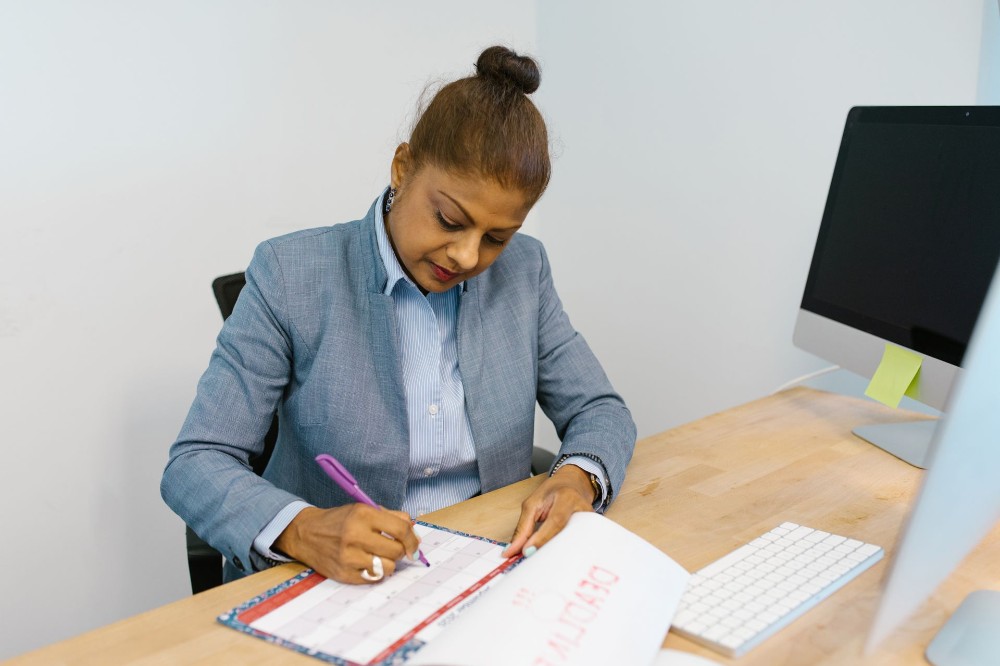
Business owner comparing a website builder with professional web design
Should I Use a Website Builder or Hire a Web Designer?
Website builders have made it possible for almost anyone to create and publish a website without writing code.
Services such as Wix, Squarespace and other template-based platforms can be attractive to a new business. They offer ready-made designs, online editing tools and relatively low introductory costs.
For some projects, this may be perfectly adequate. For others, hiring a professional web designer will provide better long-term value, greater flexibility and a website more closely aligned with the needs of the business.
The right choice depends on your budget, available time, technical confidence and what you expect the website to achieve.
What is a website builder?
A website builder is an online platform that lets you assemble a website using pre-designed sections and templates.
You usually pay a monthly or annual subscription that includes access to the editing system and website hosting.
Depending on the package, you may be able to add:
Text and images
Contact forms
Image galleries
Blog or news articles
Online shop features
Appointment booking
Basic analytics
The platform manages much of the technical infrastructure, allowing you to concentrate on arranging the pages and adding content.
What does a professional web designer provide?
A professional web designer should begin by understanding your business rather than asking you to choose a template.
The project may involve:
Planning the website structure
Identifying customer priorities
Creating a design around your brand
Organising service and location pages
Developing custom functionality
Optimising the mobile experience
Testing forms and interactive features
Preparing the site for search engines
Providing hosting and ongoing support
The service should therefore include advice and problem-solving, not just the technical construction of the site.
When might a website builder be suitable?
A do-it-yourself website builder may be appropriate when:
You have a very limited initial budget
The website only needs a few simple pages
You have time to create and maintain it yourself
You are comfortable learning a new editing system
Your branding and functionality requirements are straightforward
The website is temporary or intended to test an idea
A new sole trader, community group or small hobby business may decide that the convenience of a website builder outweighs its limitations.
However, the true cost should include the time required to design the site, prepare the content, source images and resolve any problems.
When is hiring a web designer likely to be better?
Professional web design becomes more valuable when the website plays an important role in generating enquiries, presenting the company or supporting business operations.
You may benefit from hiring a web designer when:
You need a distinctive design
The website must generate regular sales or enquiries
You serve several customer groups
You require custom forms or functionality
You need integration with existing systems
You do not have time to build the site yourself
You need reliable technical support
The website must be capable of expanding
An established business may also need a website that reflects its reputation and the quality of its work.
Comparing the initial cost
A website builder will normally have a lower upfront cost.
You may be able to start with a free or inexpensive package, although business features such as your own domain, increased storage, e-commerce tools or removal of platform advertising may require a higher subscription.
A professionally designed website costs more initially because it includes planning, design, development, testing and advice.
When comparing prices, establish whether they include:
Domain registration
Website hosting
Business email
SSL security
Search engine setup
Content assistance
Maintenance
Technical support
A low starting price may not represent the complete long-term cost.
Considering the value of your time
Building a website yourself can require considerably more time than expected.
You will need to decide which pages to create, write the content, prepare images, learn the editor, test the mobile layout and resolve technical issues.
Every hour spent building the website is an hour that cannot be spent serving customers, completing projects or developing the business.
For someone who enjoys working with technology, this may not be a problem. For a busy business owner, outsourcing the project may be the more economical choice despite the higher initial price.
Design flexibility
Website builders offer a wide selection of templates, but each template operates within the restrictions of the platform.
You may be able to change colours, fonts and page sections while still being limited by the original structure.
This can become frustrating when you want to create something that the template was not designed to support.
A custom website can be designed around your content, branding and customer journey. It does not need to force the business into a predetermined layout.
That said, custom design should still be practical. A unique website is only valuable when it remains clear, accessible and easy to use.
Search engine optimisation
Most modern website builders include basic search engine settings. You can usually edit page titles, descriptions and headings.
The greater challenge is deciding:
Which subjects deserve their own pages
What potential customers are searching for
How the pages should be linked together
What information each page needs to contain
How to avoid repetitive or competing content
A professional web designer with SEO experience can help establish a more useful site structure from the beginning.
Neither a website builder nor a custom website will rank simply because of the platform used. The quality, relevance, structure and reputation of the website remain important.
Ownership and portability
Before choosing a website builder, check what happens if you later decide to leave the platform.
Your domain name, written content and images may belong to you, but the design and underlying website may not be transferable.
You could therefore need to rebuild the website elsewhere.
You should ask a professional web designer similar questions:
Who owns the completed website?
Who controls the domain name?
Can the website be moved to another host?
Can the content be exported?
Are there minimum contract periods?
Make sure the arrangement is clear before committing to either option.
Technical support
A website builder will normally provide documentation, automated assistance or a central support service.
Support may be able to explain how the platform works, but it may not advise you on the needs of your individual business.
A local web designer can provide more personal assistance and may already understand your website, hosting and business objectives.
This can be valuable when you need to add a new service, resolve an email problem or make an urgent change.
Future expansion
A simple website may later need to support online payments, customer accounts, bookings, stock management or integration with internal systems.
Consider not only what the website needs today, but what it may need during the next few years.
A website builder may have applications that cover common requirements. More specialised functionality may require custom development or may not be possible within the platform.
A professionally developed website should be planned with realistic future expansion in mind.
Which option should your business choose?
A website builder can be a sensible choice for a simple project where cost is the main concern and you are comfortable handling the work yourself.
A professional web designer is more likely to be suitable when the website is an important business asset, needs to generate enquiries or requires a tailored approach.
The decision should be based on:
The importance of the website to your business
The value of your own time
Your technical ability
Your design and functionality requirements
The support you will need
Your plans for future growth
Discuss the right approach for your website
Anglian Internet creates custom websites for businesses and organisations in Norwich, Norfolk and beyond.
We can discuss your requirements honestly, explain the available options and recommend an approach appropriate to your budget and objectives.